University of Bristol Bristol Digital Futures Institute Smart Internet Lab The Hong Kong University of Science and Technology (Guangzhou)

The 1st Seminar of Towards Edge Intelligence

Towards Edge Intelligence

Context-aware and multi-agent approaches for sensing, computation and communication.

About

A seminar on edge intelligence, networked AI and multi-agent systems.

TEI brings together researchers working across sensing, computation, communication, wireless systems, distributed AI and edge intelligence.

The 1st Seminar of Towards Edge Intelligence is jointly hosted by the University of Bristol and HKUST(GZ). The program features six invited keynote speakers, poster presentations by PhD students, and dedicated networking sessions for researchers working on context-aware and multi-agent approaches for intelligent systems.

6Invited keynote speakers from leading universities and industry labs.
10Poster slots for PhD students working on related topics.
1In-person seminar day at Bristol.

Speakers

Invited Keynote Speakers

Six keynote talks spanning programmable networks, wireless AI, distributed optimization, sustainable mobile systems and edge intelligence.

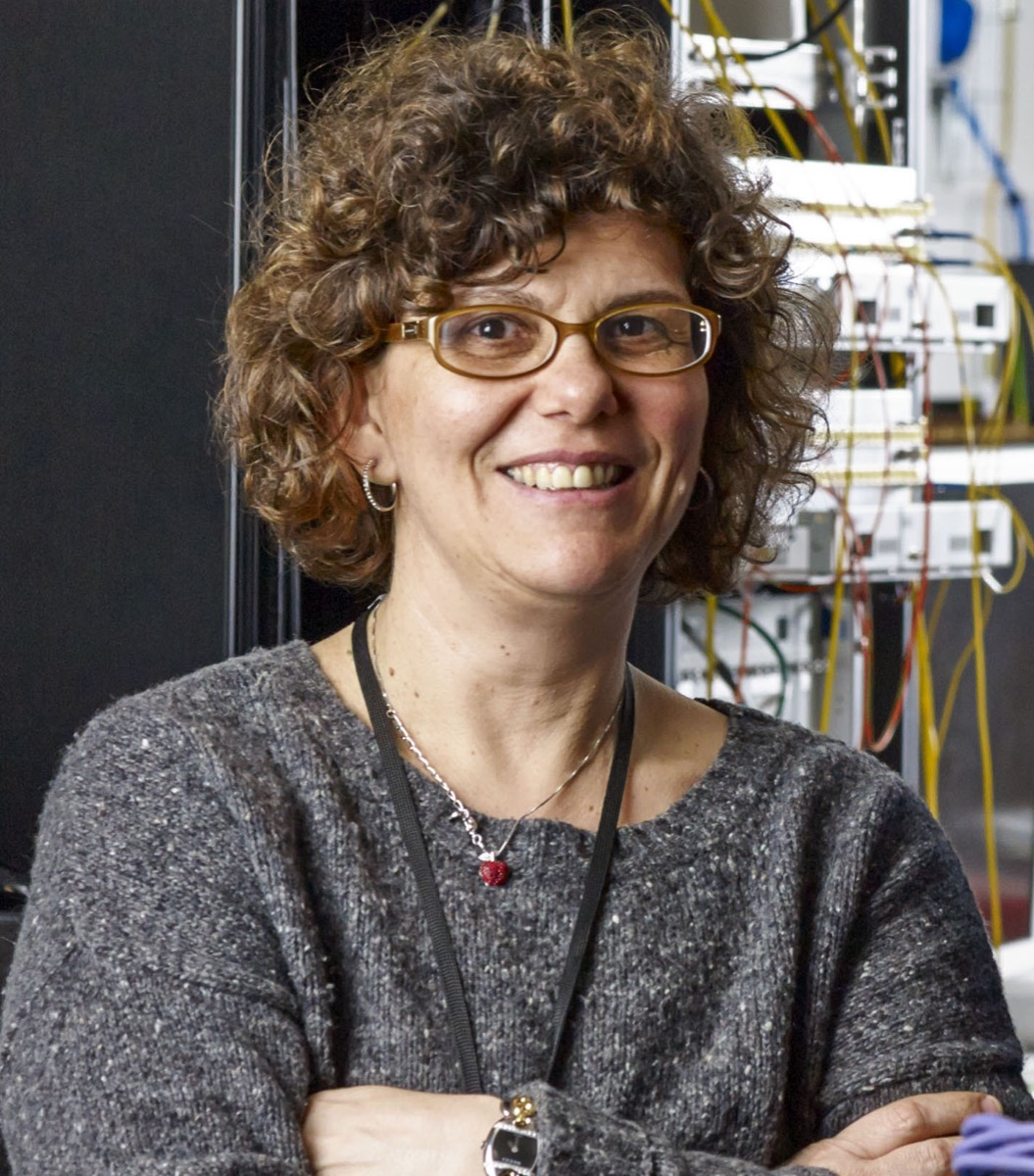
Prof. Dimitra Simeonidou

Prof. Dimitra Simeonidou

University of Bristol

Professor and Director of the Smart Internet Lab, with expertise in high-performance networks, programmable networks, future Internet, 5G/6G and smart city infrastructures.

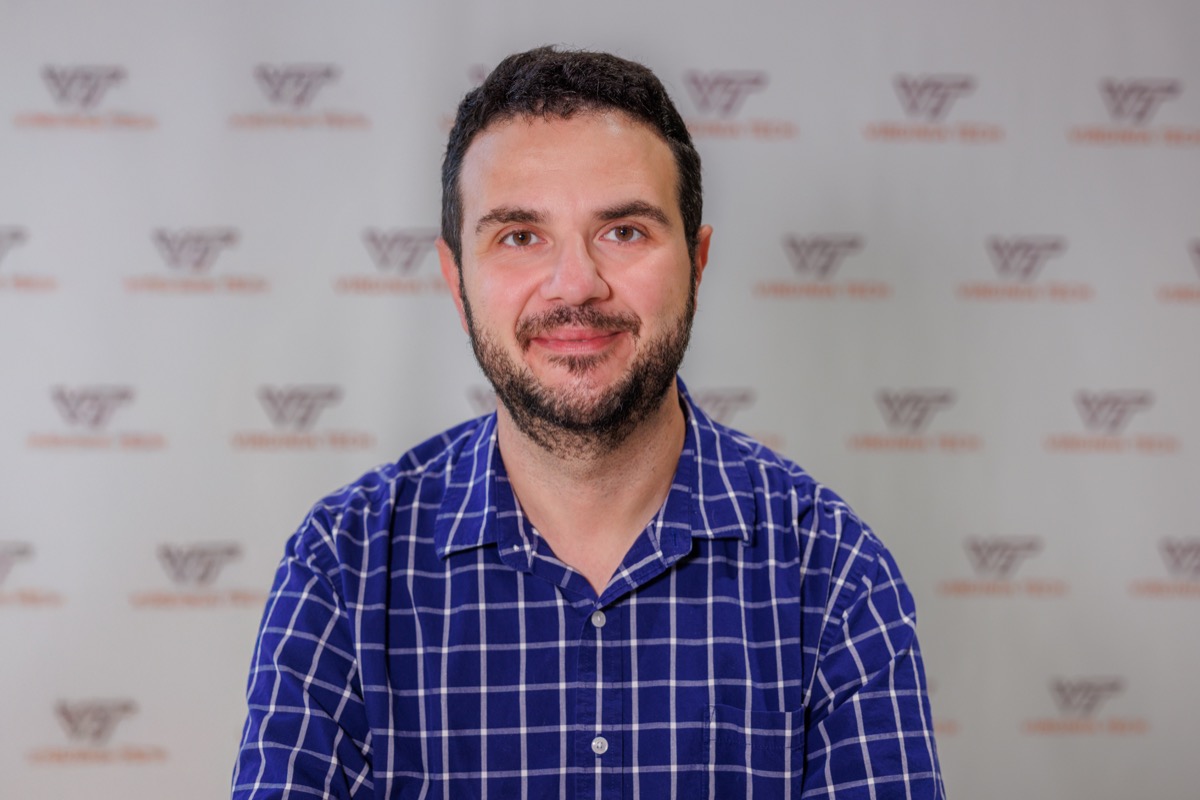
Prof. Walid Saad

Prof. Walid Saad

Virginia Tech

Rolls Royce Commonwealth Professor in Digital Twin Technology and IEEE Fellow working on wireless networks, machine learning, game theory, semantic communications and cyber-physical systems.
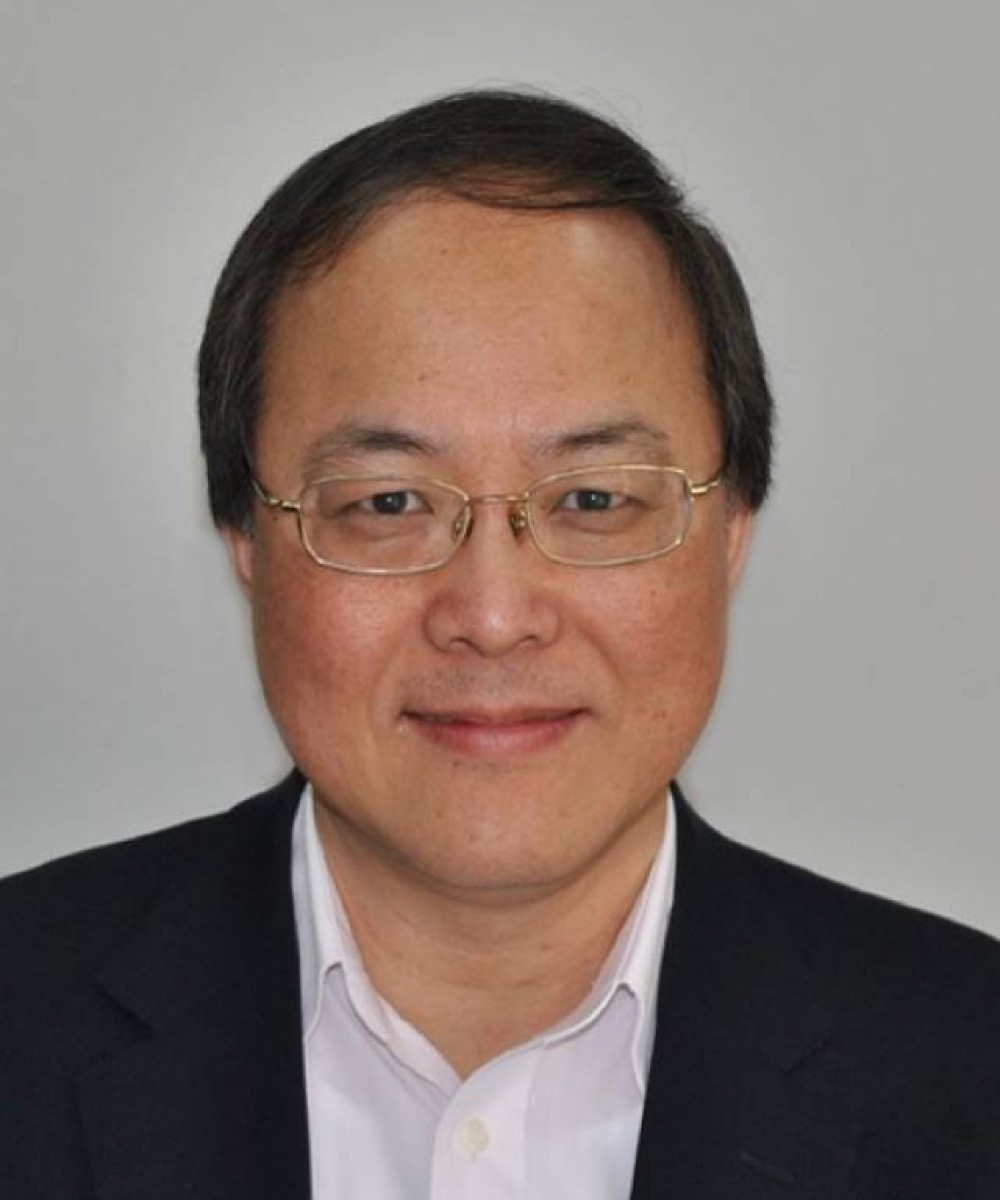
Prof. Kin K. Leung

Prof. Kin K. Leung

Imperial College London

Tanaka Chair in Internet Technology, with research interests in distributed optimization, machine learning, communication networks, mobile computing and stochastic network models.
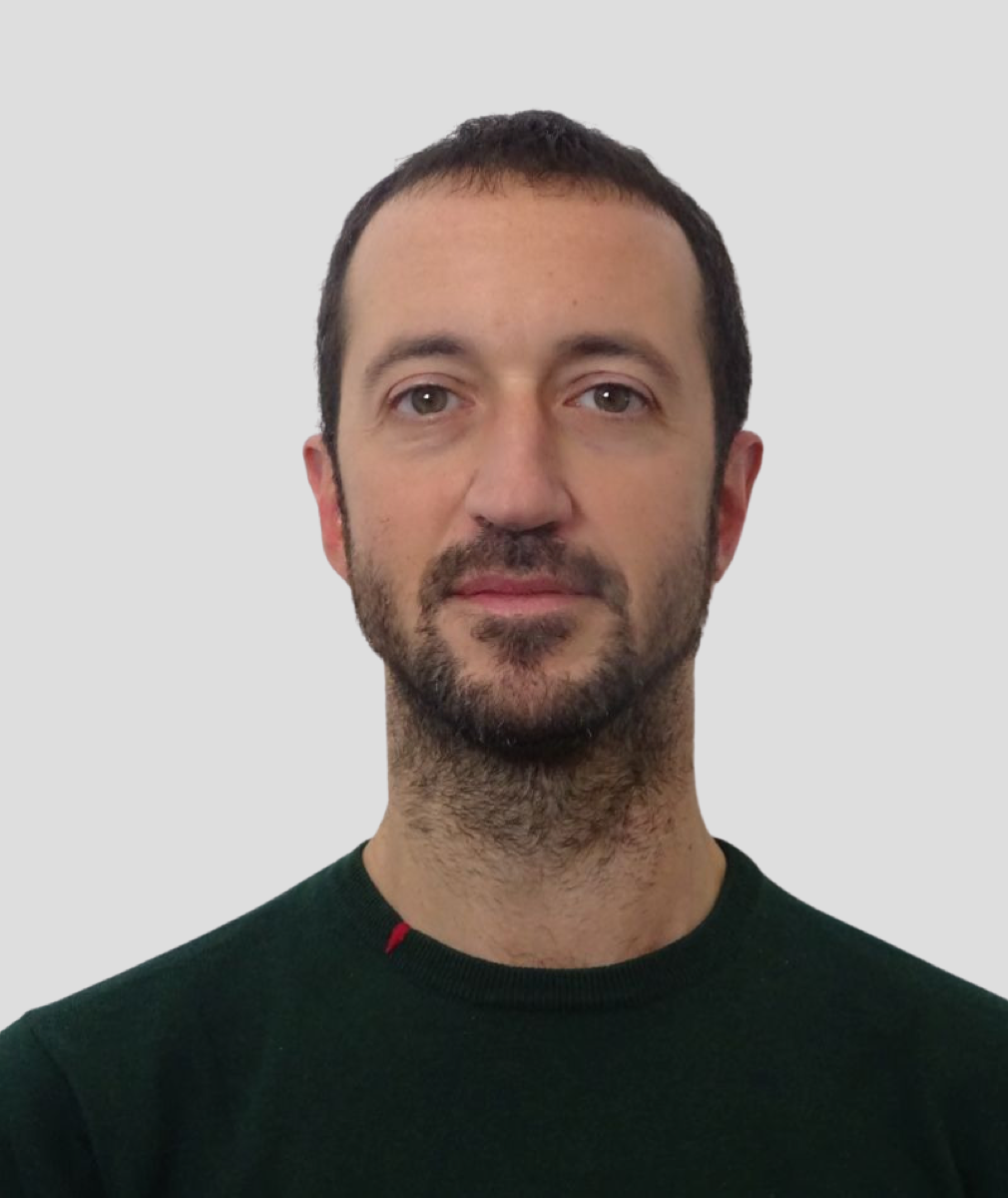
Dr. Marco Miozzo

Dr. Marco Miozzo

CTTC, Spain

Researcher in sustainable mobile networks, green wireless networking, energy harvesting, multi-agent systems, machine learning, green AI and explainable AI.

Dr. Zheng Chen

Dr. Zheng Chen

Linköping University

Associate Professor and Docent working on stochastic modeling, optimization, wireless edge caching, federated learning, function computation and resilient distributed machine learning.
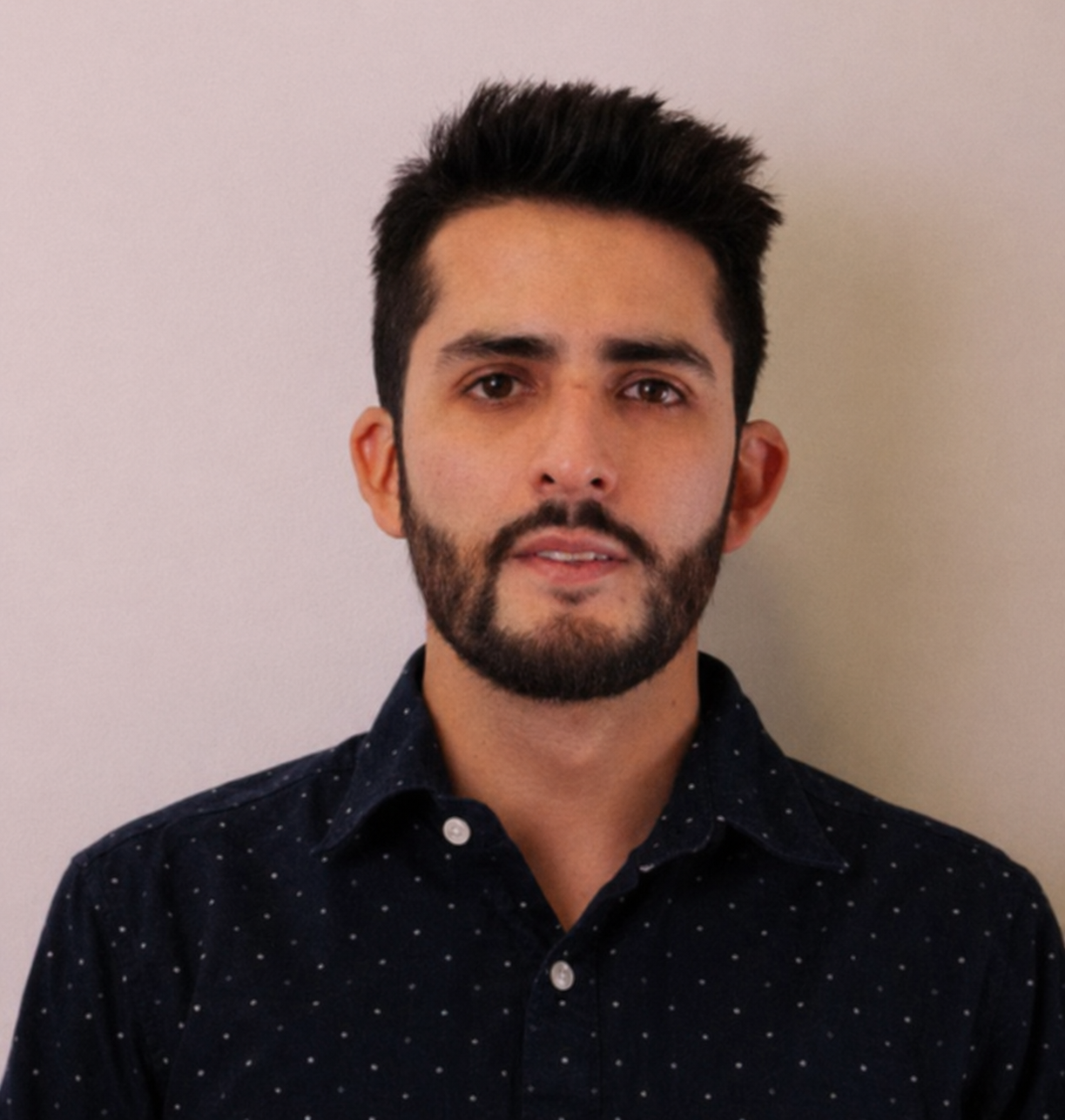
Dr. Juan Marcelo Parra Ullauri

Dr. Juan Marcelo Parra Ullauri

BT Group / University of Bristol

Research Manager at BT working on AI and machine learning for distributed, networked systems, cloud computing, telecommunications and large-scale data platforms.

Program

Seminar Agenda

A full-day in-person program with keynote sessions, poster presentation windows, breaks and networking.

Arrival and Welcome Seminar Hosts
08:45
Registration and refreshments
Organizing team
09:20
Welcome remarks
Seminar Hosts and BDFI
Morning Session Chair: Dr. Xiaolan Liu
09:30
Morning keynote session: Keynote 1
Prof. Dimitra Simeonidou, University of Bristol
10:15
Morning coffee break, poster session and networking
All participants
10:45
Morning keynote session: Keynote 2
Prof. Walid Saad, Virginia Tech
11:15
Morning keynote session: Keynote 3
Prof. Kin K. Leung, Imperial College London
12:15
Lunch break, poster session and networking
All participants
Dr. Xiaolan Liu
Morning Chair

Dr. Xiaolan Liu

Smart Internet Lab, University of Bristol

Afternoon Session Chair: Dr. Jiadong Yu
14:00
Afternoon keynote session: Keynote 4
Dr. Marco Miozzo, CTTC, Spain
14:45
Afternoon keynote session: Keynote 5
Dr. Zheng Chen, Linköping University, Sweden
15:30
Afternoon keynote session: Keynote 6
Dr. Juan Marcelo Parra Ullauri, BT Group, UK
16:15
Closing remarks and networking
Seminar Hosts
Dr. Jiadong Yu
Afternoon Chair

Dr. Jiadong Yu

HKUST(GZ)

PhD Students

Call for Posters

TEI invites PhD students to share research in edge intelligence and adjacent areas during the seminar poster sessions.

Poster Session

The seminar program includes poster sessions and networking during the morning coffee break and lunch break. Up to 10 posters will be included in the program. Submissions related to edge intelligence, multi-agent systems, sensing, computation, communication, wireless AI, federated learning and network intelligence are welcome.

Please send your poster to Mr Haokai Yang at haokai.yang@bristol.ac.uk with the title TEI + Name, and attach your poster. We will send the invitation letter once your posters are selected. Deadline is 18th May 2026.

Present researchShare ongoing or completed PhD work with seminar participants.
Meet researchersConnect with invited speakers, chairs and peers across institutions.
Gain feedbackDiscuss methods, challenges and next steps in an informal setting.
Submission detailsEmail Mr Haokai Yang with title TEI + Name, attach your poster, and submit by 18th May 2026.

Venue

BDFI, University of Bristol

The seminar will take place in person at Bristol Digital Futures Institute.
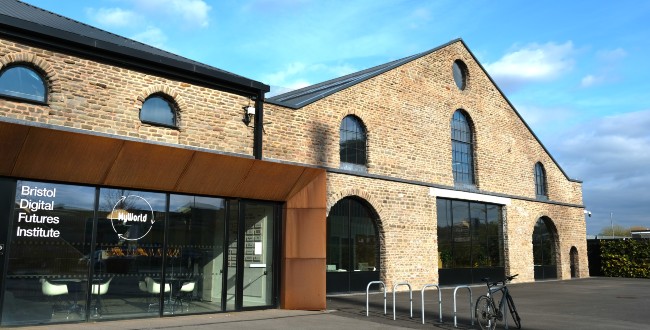
Bristol Digital Futures Institute

Location

Bristol Digital Futures Institute, University of Bristol, 65 Avon St, Bristol, UK BS2 0PZ.

Visit the Bristol Digital Futures Institute website

Travel Note

The venue is reachable via Bristol Airport, or by train from London Paddington to Bristol in approximately 1.5 hours.

Prof. Walid Saad

Title

Why AI Still Can't Handle the Physical World: AGI-Native Wireless Systems for Physical AI

Abstract

Artificial intelligence (AI) revolutionized multiple sectors ranging from healthcare to entertainment. Remarkably, despite this progress, today's AI tools, including deep learning and generative AI (e.g., large language models), still fail when embedded into physical systems, such as robots, drones, or vehicles, that operate under the physical laws of the real world, as evidenced by recent high-profile incidents involving Waymo, GM's Cruise, and Tesla Autopilot. Indeed, the success of physical AI systems is contingent upon addressing three intertwined challenges: (a) Limited ability of existing AI frameworks to handle unseen and out-of-domain scenarios, (b) Lack of first-principle solutions that allow a physical AI agent to navigate the real world governed by physical laws, and (c) Need for pervasive connectivity to support physical AI tasks, such as inference and communications, at scale. In this talk, we address these challenges by pioneering a novel wireless system architecture and framework, dubbed artificial general intelligence (AGI)-native wireless systems, that supports the intelligence and communications needs of physical AI systems. We demonstrate how a strategic fusion of wireless systems, digital twins, neuroscience, and AI can catalyze a paradigm shift in both wireless and AI technologies through an AGI architecture founded on three components: a) perception, b) world model, and c) action-planning, imbued with human-like cognitive capabilities including reasoning, planning, imagination, and deep thinking. Grounding each component in concrete results, we first demonstrate how perception enables effective semantic communication systems that address the connectivity needs of physical AI at scale, and will be a staple of 6G systems and beyond. We then introduce a novel world model architecture built on Kahneman's thinking fast and slow principle, demonstrating its effectiveness for AI generalization and long-term reasoning, and its ability to enable data-efficient link scheduling with significant age of information gains in wireless vehicular networks, and robust generalization to unseen network conditions such as varying vehicle densities and link blockage scenarios. Finally, integrating all three components, we introduce a fundamental test-time scaling law that allows physical AI agents to handle unforeseen real-world scenarios. We particularly demonstrate how the first principle of active inference instills a survival instinct via surprise minimization into the physical AI agents, enabling them to reason and generalize beyond their training data. We conclude with a discussion of the exciting opportunities in this space, and how this vision transforms telecom operators from communication providers into intelligence providers for physical AI.

Bio

Walid Saad (S'07, M'10, SM'15, F'19) received his Ph.D degree from the University of Oslo, Norway in 2010. He is currently the Rolls Royce Commonwealth Professor in Digital Twin Technology, a Professor at the Department of Electrical and Computer Engineering, and a founding faculty of the Institute for Advanced Computing at Virginia Tech, where he leads the Network intelligEnce, Wireless, and Security (NEWS) laboratory. His research interests include wireless networks (5G/6G/beyond), machine learning, game theory, quantum communications/learning, security, UAVs, semantic communications, cyber-physical systems, and network science. Dr. Saad is a Fellow of the IEEE. He is also the recipient of the NSF CAREER award in 2013, the AFOSR summer faculty fellowship in 2014, and the Young Investigator Award from the Office of Naval Research (ONR) in 2015. He was the (co-)author of twelve conference best paper awards at IEEE WiOpt in 2009, ICIMP in 2010, IEEE WCNC in 2012, IEEE PIMRC in 2015, IEEE SmartGridComm in 2015, EuCNC in 2017, IEEE GLOBECOM (2018 and 2020), IFIP NTMS in 2019, IEEE ICC (2020 and 2022), and IEEE QCE in 2023. He is the recipient of the 2015 and 2022 Fred W. Ellersick Prize from the IEEE Communications Society, of the IEEE Communications Society Marconi Prize Award in 2023, and of the IEEE Communications Society Award for Advances in Communication in 2023. He was also a co-author of the papers that received the IEEE Communications Society Young Author Best Paper award in 2019, 2021, and 2023. He received the 2025 Jacob A. Lutz III Eminent Scholar award from Virginia Tech. Dr. Saad was an IEEE Distinguished Lecturer in 2019-2020. He has been annually listed in the Clarivate Web of Science Highly Cited Researcher List since 2019. He is the Editor-in-Chief for the IEEE Transactions on Machine Learning in Communications and Networking.

Dr. Juan Marcelo Parra Ullauri

Title

Enabling Distributed LLM Inference Over Telco Networks

Abstract

Demand for LLM inference is growing rapidly, from chatbots to autonomous agents, making it a core component of modern AI-native applications. As workloads become increasingly distributed, scalable and flexible inference platforms are required. At the same time, regulatory constraints, data residency requirements and latency sensitivity are driving a shift toward distributed and sovereign AI deployments.

This talk first introduces the fundamentals of distributed LLM inference, covering parallelism techniques such as data, tensor, pipeline and expert parallelism, and their implications on system design across GPUs and networks. Building on these foundations, the talk then introduces InferSlice, a BT-led distributed LLM inference platform developed in collaboration with NVIDIA and the University of Bristol. InferSlice jointly orchestrates network and GPU resources across the national-scale testbed JOINER, enabling SLO-driven inference across geographically distributed infrastructure and demonstrating that Telco networks are not just transport, but an active orchestration fabric for AI inference.

Bio

Dr. Juan Parra-Ullauri is a Research Manager in the Intelligent Service Orchestration Centre of Excellence at BT and holds an Honorary Research position at the University of Bristol. He obtained his PhD in Computer Science from Aston University, UK, in 2022, and previously earned a BSc in Electronics Engineering with a specialisation in Telecommunications from the University of Cuenca, Ecuador. His research focuses on Artificial Intelligence and Machine Learning for distributed and networked systems, with applications in cloud computing, telecommunications and large-scale data platforms.

Dr. Parra-Ullauri has led and contributed to several UK and EU-funded research initiatives, including AI-driven network automation and intelligent service orchestration. He received the UK National AI Award for High Tech & Telecom (2024) as part of the REASON project. He also contributes to the research community as a Technical Program Committee member and reviewer for leading conferences and journals, including AAAI, ACM SAC, IEEE ICC, GLOBECOM, INFOCOM, IEEE Internet of Things, IEEE Network and Future Generation Computer Systems.